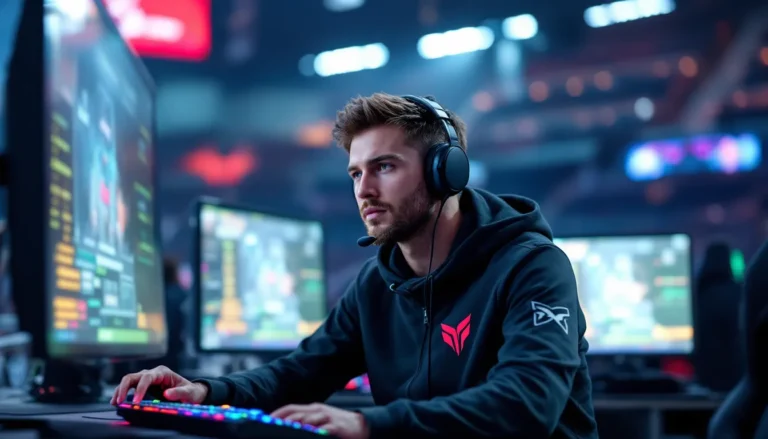
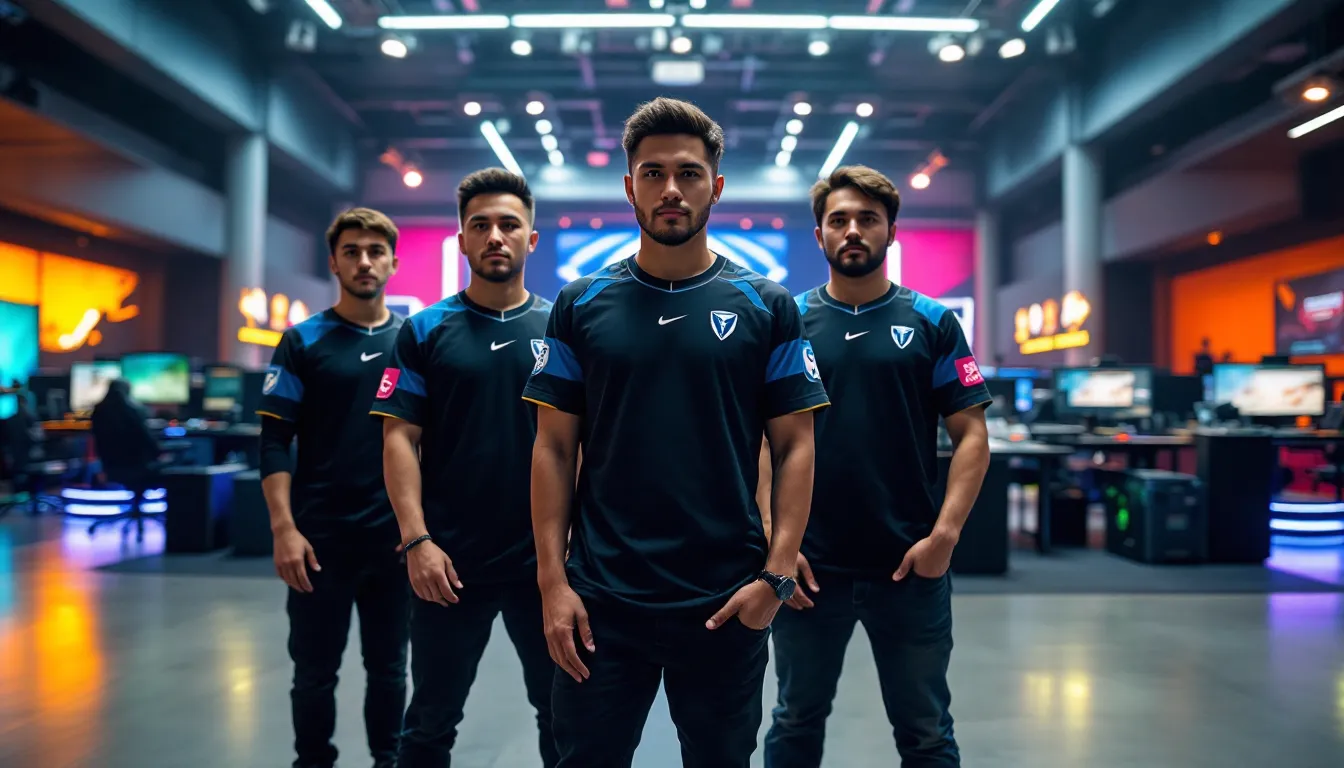

Nothing says “we’re serious about competing” quite like rolling into a tournament with your squad all wearing matching custom esports jerseys. Whether you’re a grassroots team grinding through open brackets or an established org looking to refresh your team’s look, the right jersey does more than just look good on camera, it builds cohesion, attracts sponsors, and sends a clear message to opponents that you mean business.
But navigating the world of custom esports apparel in 2026 isn’t as simple as slapping a logo on a template and hitting “order.” From choosing performance fabrics that’ll keep players comfortable during marathon sessions to nailing the design details that make your team instantly recognizable on stream, there’s a lot to consider. This guide breaks down everything you need to know about creating custom esports jerseys that actually work for your team, functionally, aesthetically, and financially.
Key Takeaways
- Custom esports jerseys build team identity, attract sponsors, and project professionalism in tournaments and streams, making them a strategic investment beyond aesthetics.
- Performance fabrics with moisture-wicking properties, mesh ventilation, and a weight of 140–160 GSM balance comfort and durability during extended competitive sessions.
- Sublimation printing offers superior longevity compared to screen printing, maintaining vibrant colors and graphics even after 50+ wash cycles without cracking or peeling.
- Mid-tier custom esports jerseys ($40–65 each) provide the best value for competitive teams, offering quality moisture-wicking fabrics and flexible customization options while maintaining affordability.
- Plan jersey orders 6–8 weeks in advance, order physical samples before committing to full team sets, and always request design proofs to catch spelling errors and color mismatches before production.
- Air dry custom jerseys inside-out on hangers, avoid fabric softeners and dryer heat, and regularly inspect for damage to extend the lifespan of your team’s competitive gear.
Why Custom Esports Jerseys Matter for Your Gaming Team
Custom jerseys aren’t just about looking professional, they’re a strategic investment in your team’s identity and competitive edge. Here’s why serious teams prioritize getting their gear right.
Building Team Identity and Brand Recognition
In an increasingly crowded esports landscape, visual identity separates memorable teams from forgettable ones. Custom jerseys create instant recognition whether you’re competing in a local LAN or streaming scrims to a few hundred viewers.
Teams with consistent branding across jerseys, overlays, and social media build recognition faster. When spectators see your colors and logo repeatedly, they start associating them with your playstyle, achievements, and personalities. That recognition translates to followers, which eventually converts to sponsorship interest.
For orgs fielding multiple rosters across different titles, custom jerseys maintain brand continuity. Your Valorant squad and your Rocket League team can rock different color schemes while sharing core design elements that tie back to the org’s identity. This matters more than most new teams realize, sponsors want to see cohesive branding before they write checks.
Professional Appearance in Tournaments and Streams
First impressions matter, especially when you’re trying to level up from amateur to semi-pro status. Tournament organizers, potential sponsors, and viewers all judge teams on presentation before they’ve seen a single map played.
Showing up in matching jerseys signals investment and seriousness. It demonstrates that the team has the organization and resources to handle logistics beyond just gameplay. TOs are more likely to feature well-presented teams in promotional content, which means more screen time and exposure.
Stream quality matters exponentially more in 2026 than it did even two years ago. With 4K becoming standard for competitive broadcasts, every detail shows up. Mismatched hoodies and random t-shirts look sloppy on high-resolution player cams. Custom jerseys with properly designed graphics remain sharp and professional even when compressed for streaming platforms.
Key Features to Look for in Custom Esports Jerseys
Not all custom jerseys are created equal. The difference between a jersey that gets worn once for photos and one that becomes your team’s go-to competition gear comes down to these critical features.
Performance Fabrics and Breathability
Performance fabric isn’t marketing hype, it’s the difference between staying comfortable during an overtime match and feeling like you’re wearing a plastic bag. Look for jerseys made from technical polyester blends with mesh panels in high-heat areas.
The gold standard for 2026 is lightweight polyester with moisture-wicking properties and strategic ventilation. Underarm mesh panels, perforated back sections, and breathable side panels keep air moving even during tense clutch situations when heart rates spike.
Weight matters more than most teams consider. A jersey that feels fine for ten minutes during a fitting session can become oppressive during a three-hour tournament day. Target fabrics in the 140-160 GSM (grams per square meter) range for the sweet spot between durability and breathability.
Durability and Wash Resistance
Competition jerseys take abuse. They get packed in bags, washed frequently, and worn during high-stress situations where players are constantly moving and adjusting. Cheap jerseys start showing wear after five washes, seams separate, prints crack, and colors fade.
Look for double-stitched seams, reinforced collar and hem construction, and professional-grade printing or embroidery. Sublimation printing offers the best long-term durability because the ink becomes part of the fabric rather than sitting on top of it. Unlike screen printing, sublimated designs won’t crack, peel, or fade even after dozens of wash cycles.
Fabric composition affects longevity too. 100% polyester holds up better than cotton blends, which shrink and lose shape over time. Quality jerseys should look nearly identical after 50 washes as they did fresh out of the box.
Customization Options: Logos, Names, and Sponsor Placement
Flexibility in customization separates providers worth considering from those to skip. Your jersey needs space for team logos, player names and numbers, sponsor logos, and potentially social media handles or hashtags.
Check what’s included in base pricing versus what costs extra. Some providers charge separately for each element, adding names might be $5 per jersey, numbers another $3, and individual sponsors $10 each. Those upcharges add up fast when you’re outfitting a ten-person roster.
Placement options matter for sponsors. Top-tier providers offer chest logos, sleeve patches, back panels, and collar placements. If you’re courting sponsors, having multiple premium placement options to offer at different price points gives you negotiating flexibility.
Choosing the Right Material for Your Esports Jersey
Material selection impacts comfort, performance, and budget. Understanding fabric options helps teams make informed decisions rather than just picking the cheapest option available.
Polyester vs. Blended Fabrics: Pros and Cons
100% polyester dominates the esports jersey market for good reasons. It’s durable, lightweight, holds colors well, and handles moisture better than natural fibers. Polyester jerseys dry quickly, resist wrinkles, and maintain their shape through repeated washing.
The main downside? Pure polyester can sometimes feel less soft against skin compared to cotton blends, and it can retain odors more readily than natural fibers if not treated with antimicrobial finishes. Quality matters, cheap polyester feels plastic-y and uncomfortable, while premium polyester rivals any fabric for comfort.
Polyester-spandex blends (usually 90-95% polyester, 5-10% spandex) add stretch and recovery. This matters if your players prefer more fitted jerseys that move with them rather than traditional loose cuts. The added elastane helps jerseys return to their original shape after stretching.
Polyester-cotton blends offer softer hand feel but sacrifice performance. They absorb moisture rather than wicking it, take longer to dry, and fade faster. For casual team wear they’re fine, but serious competition jerseys should stick with polyester-dominant or pure polyester constructions.
Moisture-Wicking Technology for Long Gaming Sessions
Moisture-wicking isn’t a single technology, it’s a category of fabric treatments and constructions designed to pull sweat away from skin and spread it across the fabric surface for faster evaporation. For esports athletes grinding through day-long tournaments, this matters more than casual observers realize.
The mechanics work through capillary action. Specially engineered polyester fibers create tiny channels that pull moisture from the body side of the fabric to the exterior. This keeps skin drier, which maintains comfort and helps regulate body temperature during intense matches.
Look for jerseys specifically marketed with moisture-wicking technology rather than assuming all polyester wicks equally. Treated fabrics perform significantly better than basic polyester. Some providers use branded technologies like Dri-FIT equivalents or proprietary moisture management systems that justify slightly higher costs through measurably better performance.
Design Elements That Make Your Jersey Stand Out
Great jersey design balances visual impact with professionalism. These elements separate amateur-looking jerseys from designs that look broadcast-ready.
Color Psychology and Team Branding
Color choices communicate before anyone reads a logo or team name. Aggressive reds and blacks project intensity and dominance, notice how many FPS and fighting game teams lean into these palettes. Blues and purples suggest precision and strategy, popular among MOBA and RTS teams.
Stick to two or three primary colors maximum for cleaner, more professional looks. Five-color designs might seem exciting in concept but usually look cluttered in execution. Many professional esports teams build entire brand identities around strategic color choices that remain consistent across jerseys, social media, and streaming assets.
Contrast matters for legibility. If your primary color is dark, ensure logos and text use light colors that pop rather than getting lost. High contrast makes jerseys more photogenic and ensures player names remain readable on stream overlays and tournament broadcasts.
Typography and Number Placement Best Practices
Player names and numbers need readability first, style second. Bold, sans-serif fonts work best for jerseys because they remain legible at distance and in motion. Script fonts and thin typefaces might look elegant up close but become illegible in tournament photos and stream captures.
Number placement traditionally goes on the back (upper center, below the collar) and sometimes on sleeves or chest. If you’re placing numbers on sleeves, keep them at least 4 inches tall for adequate visibility. Back numbers should be 8-10 inches for tournament requirements, check specific tournament rules, as some enforce minimum size standards.
Player names typically sit across the shoulders above the number or below it near the hem. Above-number placement gets more camera time since that’s the natural framing when players are seated. Consider using handles (like “Shroud” or “TenZ”) rather than real names if that’s how your players are known, jerseys should match how commentators and fans refer to your team.
Creating Eye-Catching Graphics Without Overcrowding
The rookie mistake is trying to fill every inch of jersey space with graphics. Negative space (areas left clean and simple) makes designs more professional and prevents visual chaos. Strategic graphics placement creates impact without looking like a NASCAR vehicle.
Limit complex graphics to two or three areas maximum, maybe shoulder panels and a back centerpiece. The chest should stay relatively clean aside from the primary team logo and main sponsor placement. Side panels can handle patterns or secondary graphics if needed.
Consider how the jersey looks in motion and from typical camera angles. Tournament player cams mostly show chest and shoulders, so that real estate matters most for brand recognition. Back designs get seen during walkouts and team photos but rarely during actual gameplay broadcasts.
Top Providers for Custom Esports Jerseys in 2026
The custom jersey market has matured significantly. These provider categories represent the current landscape teams should consider.
Specialized Esports Apparel Companies focus exclusively on gaming jerseys and understand the specific needs, sponsor placement standards, streaming considerations, and gaming-specific fits. They typically offer design services, handle complex sponsor placement, and know tournament jersey requirements. Examples include MetaThreads, GGGear, and FragThreads. Pricing runs $40-80 per jersey depending on customization.
Traditional Sports Jersey Manufacturers have entered esports with established infrastructure and proven durability. Companies like Adidas, Nike, and Puma now offer esports lines with the same quality they bring to traditional sports. The advantage is proven performance and durability. The downside? Higher prices ($60-120 per jersey) and often higher minimum orders.
Print-on-Demand and Customization Platforms like CustomInk and similar services offer lower minimums (sometimes as few as 6-10 jerseys) and faster turnarounds. Quality varies significantly, these work for casual teams or initial testing but often lack the performance features and durability serious competition teams need. Pricing typically $30-50 per jersey.
Direct Chinese Manufacturers through Alibaba and similar platforms offer the lowest per-unit costs (often $15-30 per jersey) but require larger minimums (usually 50+), longer lead times (6-12 weeks), and hands-on quality management. This route works for established orgs ordering for multiple teams but presents too much risk for most small teams.
Comparing Pricing Models: Budget vs. Premium Options
Budget jerseys ($25-40 each) typically use basic polyester, screen printing, and limited customization. They’re adequate for team photos and casual wear but won’t survive intensive competition use. Expect fading after 15-20 washes and printing to crack or peel within a season.
Mid-tier options ($40-65 each) hit the sweet spot for most competitive teams. They include moisture-wicking fabrics, sublimation or quality screen printing, and good customization flexibility. These jerseys should last 2-3 seasons of regular use while maintaining appearance.
Premium jerseys ($65-120+ each) offer professional-grade fabrics, sublimation printing, antimicrobial treatments, and unlimited design complexity. Professional orgs and sponsored teams operate in this tier. The performance and durability justify costs for teams generating revenue or with serious sponsor commitments.
Lead Times and Rush Order Capabilities
Standard production runs 3-5 weeks from approved proof to delivery for most mid-tier providers. That includes design finalization (3-7 days), production (10-15 days), and shipping (3-7 days domestic).
Rush orders compress this timeline but add 25-50% to costs. True rush service (7-10 days total turnaround) is available from some providers but expect to pay premium prices and accept limited customization options.
Plan orders at least 6-8 weeks before you need jerseys to allow for design iterations, sizing corrections, and unexpected delays. Teams ordering for specific tournaments should add buffer time, nothing worse than jerseys arriving the day after your competition ends.
The Design and Ordering Process: Step by Step
Understanding the workflow prevents mistakes and ensures smooth order fulfillment. Here’s how the process typically unfolds from concept to delivery.
Creating Your Design Mockup
Most providers offer design services, but having a clear vision before initial contact speeds everything up. Start by collecting visual references, screenshots of jerseys you like, competitor designs that work well, and examples of what to avoid.
Create a simple brief documenting your color preferences, required logos (team and sponsors), and any specific design elements you want included. Even rough sketches or marked-up screenshots help designers understand your vision faster than trying to explain everything verbally.
Many providers now offer 3D mockup tools that let teams preview designs on body models from multiple angles before committing. Use these extensively. What looks good flat doesn’t always work on an actual person, and seeing designs in simulated 3D reveals spacing, proportion, and legibility issues early.
Collect feedback from the full team during mockup phase. Players are more invested in wearing jerseys they had input on, and different perspectives catch design problems. But limit revision cycles, endless committee design-by-democracy kills timelines and rarely improves final results.
Getting Accurate Sizing for Your Entire Team
Sizing mistakes are the most common order problem and the most preventable. Don’t rely on players self-reporting sizes, everyone thinks they know their size until jerseys arrive and nothing fits.
Request physical size samples from providers before ordering full team sets. Most providers will send one or two jerseys in common sizes for evaluation. This lets teams compare actual fit to size charts and adjust accordingly.
Different manufacturers size differently. An XL from one provider might fit like a Large from another. Those pro player gear guides often highlight how inconsistent sizing runs across brands, which applies to jerseys just as much as gaming peripherals.
Create a sizing spreadsheet documenting each player’s measurements (chest, waist, sleeve length) alongside their preferred fit (slim, regular, or loose). Cross-reference measurements against the provider’s size chart rather than assuming standard S/M/L/XL/XXL sizing applies universally.
Order a few extra jerseys in common sizes as spares. Players switch teams, new members join, and having 2-3 backup jerseys prevents scrambling to order individual replacements later.
Reviewing Proofs and Making Final Adjustments
Providers send digital proofs before production starts, this is your last chance to catch problems. Review proofs on multiple screens (phone, tablet, desktop) because colors render differently across devices. What looks perfect on a calibrated monitor might look washed out on mobile.
Check every piece of text character by character. Spelling errors in player names, sponsor logos, or social media handles happen more often than they should and are expensive to fix post-production. Verify number sequences, logo orientations, and placement accuracy.
Color matching on screen never perfectly represents final fabric colors. Providers typically offer Pantone matching for exact color control, but it costs extra. If brand colors must match precisely, Pantone specifications are worth the investment.
Get written approval from sponsors if their logos appear on jerseys. Some sponsors require logo approval before production, and fixing incorrect sponsor logos after jerseys arrive creates awkward conversations.
Budget Considerations and Cost-Saving Tips
Custom jerseys represent a significant investment for most teams. Strategic planning stretches budgets without sacrificing quality.
Bulk Ordering Discounts and Minimum Order Quantities
Minimum order quantities (MOQs) vary dramatically by provider. Budget platforms might start at 6-10 jerseys, mid-tier at 12-15, and premium manufacturers at 25-50. Higher MOQs unlock better per-unit pricing but require more upfront capital.
Per-unit costs drop significantly at volume breakpoints. Ordering 25 jerseys might cost $45 each while 50 drops to $35 each, nearly 25% savings. If you’re fielding multiple rosters or expect roster changes, ordering extra jerseys at bulk pricing beats paying premium rates for small reorder runs later.
Consider coordinating orders with other teams if you’re part of a larger organization or community. Some providers offer multi-team bulk pricing where three or four teams ordering simultaneously each get bulk rates even though individual orders being smaller.
Balancing Quality with Affordability
Knowing where to splurge and where to save makes budgets stretch. Fabric quality isn’t negotiable, cheap fabric makes everything else irrelevant because jerseys won’t get worn. But expensive embroidery might be optional if sublimation achieves similar results at lower cost.
Simplifying designs cuts costs without hurting quality. Complex patterns requiring six-color sublimation or detailed embroidery drive prices up. Two or three-color designs using solid blocks and clean lines look just as professional for less money.
Sponsor contributions offset jersey costs for many teams. Even small local sponsors might cover partial costs in exchange for logo placement. Teams with multiple sponsor tiers can offer premium placement for higher contributions and smaller placements for modest sponsors, potentially covering full jersey costs through sponsorship revenue.
Common Mistakes to Avoid When Ordering Custom Jerseys
Learn from others’ mistakes rather than making expensive ones yourself. These problems plague first-time jersey orders.
Ordering Without Physical Samples is the number one regret teams express. That $45 sample jersey saves you from discovering $1,500 worth of jerseys fit wrong or the fabric feels terrible.
Ignoring Sponsor Contracts creates problems when sponsors expect specific logo sizes or placements that weren’t included in final designs. Clarify all sponsor requirements in writing before finalizing designs.
Choosing Trendy Over Timeless designs means jerseys look dated within a year. Unless you’re refreshing jerseys annually, stick with clean, classic designs that’ll look appropriate for 2-3 years minimum. Trends from competitive games like those covered by league standings trackers change rapidly, but jersey aesthetics should have staying power.
Skimping on Sizing Variety forces players into ill-fitting jerseys. Stock the full size range your roster needs, including uncommon sizes. A player swimming in an XXL or squeezed into a Medium won’t wear the jersey regardless of how good the design looks.
Forgetting About International Shipping and Customs catches teams off guard when ordering from overseas manufacturers. Budget extra time and money for customs clearance, import duties, and international shipping costs that aren’t always clearly stated upfront.
Not Planning for Reorders means you can’t easily get replacement jerseys when the design file is lost or the provider changes their product line. Request final design files in multiple formats and document exact Pantone colors, fabric specs, and sizing used for future reference.
Overcomplicating First Orders is tempting but risky. Start with a solid, straightforward design to establish baseline quality and fit with a provider. Save ambitious, complex designs for subsequent orders once you’ve proven the relationship works.
Caring for Your Custom Esports Jerseys
Proper care extends jersey lifespan and keeps them looking tournament-ready. These practices maximize your investment.
Washing and Storage Guidelines
Turn jerseys inside out before washing to protect exterior printing and graphics from abrasion. This single habit significantly extends print life by reducing friction against other garments and the washing machine drum.
Wash in cold water on gentle cycles. Hot water breaks down elastic fibers faster and can cause sublimation prints to fade over time. Cold water cleans adequately for esports jerseys, players aren’t sliding into bases or tackling opponents, so jerseys rarely get truly dirty beyond body oils and light sweat.
Skip fabric softeners and dryer sheets entirely. They coat performance fabrics and reduce moisture-wicking effectiveness. These products also degrade printed graphics faster than washing alone.
Air drying preserves fabric integrity and print quality better than machine drying. High heat weakens polyester fibers and can cause printed graphics to crack. If you must machine dry, use the lowest heat setting and remove jerseys while slightly damp to finish air drying.
Store jerseys on hangers rather than folded in drawers. Hanging prevents permanent creases and keeps jerseys ready to wear. If space requires folding, avoid creasing through printed areas and refold periodically to prevent permanent lines.
Maintaining Print and Embroidery Quality Over Time
Sublimation prints need minimal special care beyond standard washing guidelines since the ink is embedded in fabric. Avoid prolonged sun exposure during storage, as UV light can eventually fade even sublimated colors.
Screen-printed jerseys require gentler handling. Never iron directly on printed areas, if you must iron wrinkled jerseys, turn them inside out and use low heat. Direct heat causes screen printing to melt, crack, or transfer to the iron.
Embroidered patches and details hold up well to washing but can snag on rough surfaces. Check washing machines for rough edges or sharp spots that might catch threads. If embroidery starts loosening, simple hand stitching can secure loose threads before larger problems develop.
Inspect jerseys regularly for minor damage. Catching a small loose thread or tiny print crack early lets you address it before it becomes a major repair. Small fabric tears can be patched invisibly on inside seams before they expand into obvious damage.
Rotate jerseys if you have multiples rather than wearing the same one repeatedly. This distributes wear across your jersey collection and ensures each piece lasts longer before showing age.
Conclusion
Custom esports jerseys are more than just team apparel, they’re tools for building identity, projecting professionalism, and creating cohesion. The teams that treat jersey selection as strategically as they approach gameplay details consistently present better, feel more unified, and attract more opportunities.
The process demands attention to detail. Fabric choices affect comfort during marathon sessions. Design decisions impact brand recognition across tournaments and streams. Provider selection determines whether jerseys last one season or three. But teams that invest time in getting these decisions right end up with gear that becomes part of their competitive identity rather than just something they wear for photos.
Start with clear goals for what you want your jerseys to accomplish, budget realistically for quality that’ll last, and work with providers who understand esports-specific needs. Your team’s look is often the first impression you make, make it count.