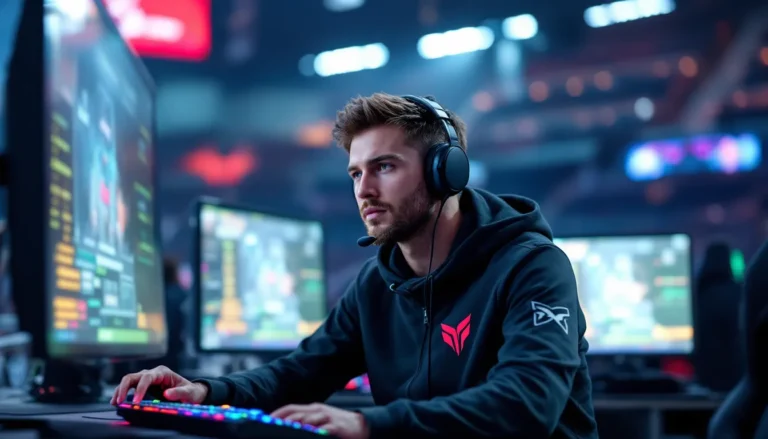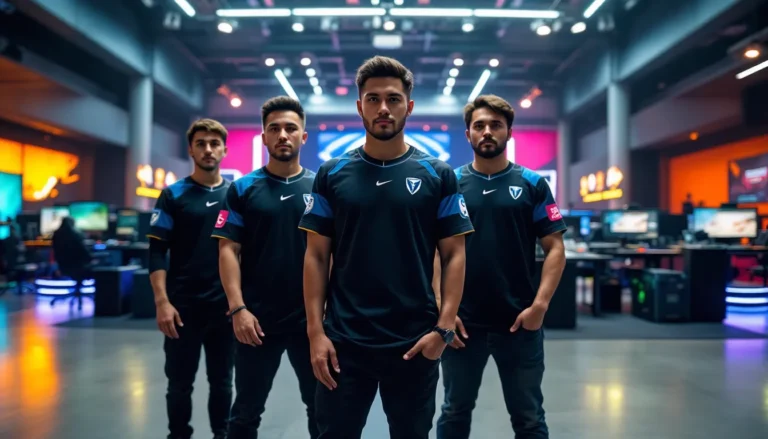

If you’ve been following the competitive gaming scene over the past few years, you’ve probably noticed a new name climbing the ranks across multiple titles: Valhallan Esports. What started as a scrappy upstart organization in 2021 has morphed into one of the most talked-about esports brands heading into 2026. With rosters competing in everything from tactical shooters to MOBAs, Valhallan has gone from dark horse to legitimate contender in a surprisingly short window.
But what exactly makes Valhallan different from the dozens of other orgs vying for tournament spots and sponsorship dollars? It’s a combination of smart roster moves, investment in player infrastructure, and a brand identity that resonates with both hardcore fans and casual viewers. While legacy orgs sometimes coast on reputation, Valhallan’s been grinding, scouting overlooked talent, building training ecosystems, and racking up results that speak louder than any hype video.
This deep dive covers everything you need to know about Valhallan Esports in 2026: their origin story, current rosters, tournament track record, training philosophy, partnerships, and where they’re headed next. Whether you’re a die-hard esports fan or just curious about the org behind those clutch playoff runs, let’s break down how Valhallan became a force worth watching.
Key Takeaways
- Valhallan Esports has grown from a 2021 startup into a competitive force across five major esports titles, with their Counter-Strike 2 roster winning ESL Pro League Season 21 in December 2025, their first tier-1 championship.
- The organization’s success stems from data-driven scouting, heavy investment in player development infrastructure, and facilities like the 12,000 sq ft Los Angeles Performance Center that treat esports athletes like professional sports competitors.
- With over 120 employees and rosters competing in League of Legends, Valorant, Dota 2, and Rocket League alongside CS2, Valhallan operates a diversified multi-game strategy unusual for expansion-era organizations founded after 2020.
- Valhallan Esports emphasizes sustainable player wellness—capping practice at 60 hours weekly outside tournaments and mandating one full rest day per week—differentiating their approach from Eastern orgs that normalize 80-100 hour weeks.
- The org’s brand identity draws from Norse mythology, resonating with sponsors and fans through premium aesthetics rather than flashy hype, and has built community trust through transparency and minimal controversy compared to industry standards.
- Future growth depends on execution in 2026: the Counter-Strike roster must sustain international consistency, the League team needs playoff breakthrough, and Valorant requires a roster refresh to avoid sliding into mid-tier irrelevance.
What Is Valhallan Esports?
Valhallan Esports is a multi-game esports organization founded in 2021, headquartered in Los Angeles with operational hubs in Seoul and Berlin. The org fields competitive teams across several major titles including League of Legends, Counter-Strike 2, Valorant, Dota 2, and Rocket League. Unlike some orgs that focus on a single game or region, Valhallan took a diversified approach from day one, building rosters that compete in both regional leagues and international tournaments.
What sets Valhallan apart is its data-driven scouting model and emphasis on player development infrastructure. The organization invests heavily in coaching staff, analysts, and performance psychologists, treating roster management more like a professional sports franchise than a traditional esports team. Their branding leans into Norse mythology themes (hence the name), which shows up in team logos, jersey designs, and content production.
Valhallan operates as a privately funded org, backed by a mix of venture capital and strategic investors from both endemic gaming companies and traditional sports ownership groups. They don’t publicly disclose revenue figures, but sponsorship deals with major peripheral brands, energy drink partnerships, and merchandise sales suggest healthy financials. The org also runs a content creator program, though competitive teams remain their primary focus.
In terms of scale, Valhallan employs over 120 people across competitive rosters, coaching staff, content teams, and operations as of early 2026. That’s mid-tier compared to giants like Team Liquid or Fnatic, but significantly larger than most orgs founded in the past five years. Their player salaries reportedly sit in the upper quartile for their respective games, which helps attract top-tier talent during off-season roster shuffles.
The Origins and Evolution of Valhallan Esports
From Startup to Competitive Powerhouse
Valhallan Esports was founded in March 2021 by former professional League of Legends player Marcus “Vanguard” Chen and tech entrepreneur Sophia Andersen. Chen had retired from competitive play in 2020 after a solid but not legendary career in the NA LCS, and Andersen brought Silicon Valley funding connections plus a background in sports analytics. Their pitch was simple: build an org that treated players like professional athletes rather than contractors, with infrastructure that matched traditional sports.
The first roster Valhallan signed was a tier-2 Valorant squad competing in regional qualifiers during Episode 2. That team didn’t make it past open qualifiers initially, but the org’s willingness to invest in coaching and bootcamp facilities paid off by late 2021 when they qualified for their first VCT Stage event. The early Valorant investment turned out to be smart timing, the game’s competitive scene was still forming, which gave newer orgs a chance to establish themselves without competing against decade-old legacy brands.
By early 2022, Valhallan had expanded into Counter-Strike: Global Offensive (pre-CS2 era) and League of Legends, signing rosters in European regional leagues. The League team started in EU Masters before eventually securing a spot in the LEC through partnerships and strategic acquisitions. Their CS:GO squad got picked up from a disbanded org, bringing with them existing chemistry and tournament experience.
The growth wasn’t always smooth. Valhallan’s first Dota 2 roster imploded mid-season in 2022 due to internal conflicts, and their early Rocket League experiment lasted only six months before budget constraints forced a pause. But the org learned fast, tightening roster management processes and improving player-org communication based on those early failures.
Key Milestones in Valhallan’s Journey
Here are the defining moments that shaped Valhallan’s trajectory:
March 2021 – Organization officially launches with initial seed funding of $4.5 million. First Valorant roster announced.
November 2021 – Valhallan Valorant qualifies for VCT Stage 3 Challengers, marking their first appearance at a Riot-sanctioned event.
April 2022 – Acquisition of European CS:GO roster (Team Nordics), rebranding them as Valhallan CS. First major esports acquisition for the org.
August 2022 – Valhallan secures LEC partnership slot for League of Legends through expansion negotiations, joining the league for the 2023 season.
February 2023 – First major tournament top-4 finish: Valhallan Valorant reaches semifinals at VCT LOCK//IN in São Paulo.
June 2023 – Partnership announcement with major peripheral manufacturer HyperX, marking their largest sponsorship deal to date.
September 2023 – Valhallan Counter-Strike (now on CS2 following the August 2023 release) qualifies for their first CS Major at Copenhagen.
March 2024 – Opening of the Valhallan Performance Center in Los Angeles, a 12,000 sq ft training facility housing all NA-based rosters.
October 2024 – Valhallan League of Legends finishes 3rd in LEC Summer Split, securing Worlds qualification for the first time.
January 2025 – Expansion into Asia with Seoul office opening and signing of Korean League Academy roster.
December 2025 – Valhallan Counter-Strike 2 wins ESL Pro League Season 21, their first tier-1 tournament championship.
These milestones show a consistent upward trajectory. The org went from regional qualifiers to Major tournaments in under four years, which is aggressive growth in the esports landscape. Most notably, they’ve managed to scale without the massive financial losses that sank other expansion-era orgs.
Valhallan Esports Teams and Rosters
Flagship Teams Across Major Titles
Valhallan fields competitive rosters across five primary titles as of March 2026. Here’s the current lineup:
Counter-Strike 2 – The flagship team and arguably Valhallan’s most successful roster. Competing primarily in European circuits (ESL Pro League, BLAST Premier, IEM events). The five-man core has remained stable since mid-2024, which has paid dividends in team chemistry and strategic depth. They rank #8 globally on most CS2 team rankings heading into Spring 2026.
League of Legends – Two rosters: the main LEC squad based in Berlin and an Academy team in the Korean Challengers league. The LEC roster went through a rebuild in the 2025 off-season, bringing in two new carries and a veteran support. Results have been mixed through the first half of 2026 Spring Split, currently sitting 6th in standings with a 5-4 record as of Week 5.
Valorant – North American VCT Americas roster. After a strong 2024 season, they’ve struggled with consistency in 2025-2026, finishing 5th-6th in the last two Stage events. Rumored roster changes are expected before the next transfer window, particularly around the duelist and initiator roles.
Dota 2 – Relaunched in late 2024 after the earlier failed attempt. Current roster is a mix of European and South American players competing in WEU Division II DPC. They’ve shown flashes but haven’t broken into Division I yet. The team is still building synergy.
Rocket League – RLCS roster competing in European regional events. Consistently finishes in the 5th-8th range at Majors. Solid but not elite, more of a development project than a championship contender at this stage.
Valhallan also maintains creator and content partnerships but doesn’t field rosters in mobile esports titles, fighting games, or battle royales yet. The focus remains on established esports with structured league systems and major tournament circuits tracked by platforms like team rankings and statistics databases.
Notable Players and Rising Stars
Here are some of the standout names on Valhallan rosters:
Andreas “Apex” Johansson (CS2) – Swedish AWPer, 24 years old. Joined Valhallan in mid-2024 from a tier-2 Swedish team. His aggressive positioning and clutch factor have made him the face of Valhallan CS. Currently holds a 1.21 rating across tier-1 events in 2025-2026, putting him in conversation for top-10 AWPers globally.
Kim “Mirage” Ji-won (League of Legends) – Korean mid-laner, 21 years old. Signed to the LEC roster in November 2025 during the off-season. Known for aggressive laning and champion pool depth (14 unique picks across 9 weeks of LEC play). Early frontrunner for Spring Split Rookie of the Year if performance holds.
Tyler “Havoc” Martinez (Valorant) – American controller main, 23 years old. One of the original Valhallan Valorant signings from 2021 still on the roster. Veteran presence and IGL responsibilities. Steady rather than flashy, but critical for team coordination.
Laura “Cipher” Hoffmann (CS2) – German entry fragger, 22 years old. One of the few women competing at tier-1 CS2 level. Joined Valhallan in January 2025. Her aggressive T-side entries average 0.89 opening kills per round, above average for entry players. Represents both skill and Valhallan’s stated commitment to diversity in competitive gaming.
Mateo “Storm” Ferreira (Dota 2) – Brazilian carry, 25 years old. Signed in late 2024. Highest MMR player on Valhallan Dota roster (11.2k as of March 2026). Still adapting to pro team environment after mostly pub success, but the mechanical skill is undeniable.
Valhallan’s roster philosophy emphasizes blending experienced veterans with high-ceiling young talent. The org reportedly runs tryouts and combines similar to traditional sports drafts, using performance metrics and psychological profiling to identify prospects before they hit free agency peaks.
Tournament Performance and Achievements
Major Tournament Victories
Valhallan’s trophy case is still building, but they’ve notched some significant wins:
ESL Pro League Season 21 (Counter-Strike 2, December 2025) – Valhallan’s biggest title to date. They went 5-2 in groups, beat FaZe Clan 2-1 in semis, then took down Vitality 3-1 in the grand final. Apex dropped a 1.38 rating across the playoff bracket, cementing his status as a top-tier AWPer. Prize: $200,000.
VCT Stage 3 Challengers NA Finals (Valorant, July 2023) – Early breakthrough win when the roster was still finding its identity. Qualified them for their first international LAN. Prize: $30,000.
EU Masters Spring 2023 (League of Legends, pre-LEC era) – Won with their developmental roster before securing the LEC slot. Several players from that squad moved up to the main roster. Prize: €20,000.
DreamHack Open Winter 2024 (Counter-Strike 2) – Tier-2 event, but Valhallan swept through without dropping a map. Good warmup before their ESL Pro League run. Prize: $50,000.
RLCS European Regional 2 – Winter Split (Rocket League, February 2024) – Their only Rocket League regional win. Haven’t repeated that success since. Prize: $15,000.
Total prize money across all rosters from 2021-early 2026 sits around $850,000. That’s respectable for a young org, though well behind the multi-million dollar hauls of established giants. More importantly, the trajectory shows improvement, most of that prize money came in the last 18 months.
Recent Performance in 2025-2026
The current season has been a mixed bag:
Counter-Strike 2 continues to perform. After the ESL Pro League win, they finished 5th-8th at IEM Katowice 2026 in February (lost to NAVI in quarters) and 3rd-4th at BLAST Premier Spring Groups. Their map pool is solid, particularly strong on Ancient and Anubis, though Mirage remains a permaban for them. The team dynamics around different event formats and schedules are often covered in depth by competitive gaming news outlets.
League of Legends is rebuilding. The LEC roster started 2026 Spring Split rough (1-3 through Week 2) but has rallied to 5-4 by Week 5. Mid-laner Mirage has been a bright spot, but the bot lane is inconsistent. They need top-4 to make playoffs, which looks achievable but not guaranteed. Current split standings and match results are tracked on official platforms alongside esports league coverage.
Valorant has regressed. After reaching top-4 at Champions 2024, the roster hasn’t clicked in 2025-2026. They finished 6th in VCT Americas Kickoff (Feb 2026), missing out on Masters qualification. Agent comp experimentation hasn’t paid off, they’re running double-controller setups that work in scrims but fall apart under LAN pressure.
Dota 2 is still in development mode. The roster went 3-4 in WEU Division II Round 1, which keeps them in the league but far from promotion. Team fights are messy, and draft phase needs work. They’re improving incrementally but won’t threaten for TI qualification this year.
Rocket League is treading water. Consistent 5th-8th finishes at regional events. No Major appearances in 2025-2026 yet. The roster needs a mechanical upgrade or a fresh coaching perspective to break through.
Overall, Valhallan sits in that uncomfortable middle tier: too strong to ignore, not quite elite enough to be favorites. The CS2 squad is carrying the brand’s competitive reputation right now, which puts pressure on other rosters to step up.
Valhallan’s Approach to Player Development and Training
Training Facilities and Resources
Valhallan operates three primary training facilities:
Valhallan Performance Center (Los Angeles) – Opened March 2024. 12,000 sq ft facility in Playa Vista. Houses the Valorant roster full-time and serves as NA hub for bootcamps. Includes:
- 15 high-spec gaming stations (RTX 4090 GPUs, 360Hz monitors, custom peripherals)
- Dedicated scrim rooms for each game with soundproofing
- Film review theater with 4K displays for VOD analysis
- On-site gym with strength/conditioning coach
- Nutrition center with team chef (meal plans tailored per player)
- Recovery room with massage therapy and physiotherapy equipment
- Content studio for interviews, behind-the-scenes, and streaming
Berlin Gaming House (Europe) – Primary home for LEC League roster and CS2 team. Shared 8,000 sq ft space in a converted warehouse in Kreuzberg. Less flashy than LA but functionally similar. Players live on-site during season.
Seoul Satellite Office (South Korea) – Smaller facility focused on Academy League roster. Mostly practice space: players don’t live on-site. Opened January 2025.
All facilities run 240Hz+ monitors minimum, with some players opting for 360Hz or 540Hz depending on game and preference. Peripheral setups are player-choice within approved sponsor brands. Internet infrastructure is redundant (dual ISP with failover) to prevent practice disruptions.
Valhallan also maintains partnerships with sports science companies for biometric tracking. Players wear fitness trackers that monitor sleep quality, stress levels, and physical activity. Data feeds into performance reviews, if a player’s sleep drops below 7 hours average, coaches intervene.
Coaching Philosophy and Support Systems
Valhallan’s coaching structure is more layered than most orgs:
Head Coach – Strategic direction, draft/ban (for applicable games), overall team coordination.
Assistant/Positional Coaches – Role-specific skill development. For example, the CS2 team has separate coaches for T-side setups vs CT-side rotations.
Analyst Team – 2-3 analysts per roster who break down opponent VODs, track meta shifts, and compile statistical reports. They use tools like scope.gg, grid.gg, and custom internal dashboards.
Performance Psychologist – Each roster has access to a sports psychologist for mental health, tilt management, and performance anxiety. Sessions are confidential and encouraged, not mandatory.
Lifestyle Manager – Handles non-game logistics: travel, visas, housing, personal issues. Frees players to focus on competition.
The coaching philosophy emphasizes structured practice with clear objectives. Scrims aren’t just grinding games, each block has focus areas (e.g., “work early-round aggression” or “practice retake scenarios”). Post-scrim VOD review is mandatory, with players expected to self-identify mistakes before coaches point them out.
Valhallan also runs an internal “knowledge base”, a wiki-style database where players document strategies, opponent tendencies, and meta analysis. New players get onboarded through this system, which accelerates integration.
Critically, the org has a player wellness policy that mandates at least one full day off per week and caps practice hours at 60 per week during non-tournament periods. This contrasts with some Eastern orgs where 80-100 hour weeks are normalized. Valhallan believes sustainable practice prevents burnout and extends career longevity. Early data supports this, roster turnover due to burnout is lower than industry average.
Salary structure also includes performance bonuses tied to tournament results, but base pay is guaranteed regardless of wins/losses. This reduces financial stress and lets players take calculated risks in-game rather than playing scared.
Sponsorships, Partnerships, and Brand Identity
Valhallan has secured several notable partnerships since 2022:
HyperX – Primary peripheral sponsor (headsets, keyboards, mice). Deal signed June 2023, extended through 2027. HyperX branding appears on jerseys and in all facility gaming stations.
Monster Energy – Official energy drink partner. Players stock Monster in training facilities, and the brand sponsors content series. Standard esports partnership structure.
Secretlab – Gaming chair sponsor. All team facilities equipped with Secretlab Titan Evo chairs. Players get personalized units with Valhallan branding.
ASUS ROG – PC hardware and monitor sponsor. Provides gaming rigs and displays for training setups. Partnership includes co-branded content and tournament activations.
DraftKings – Betting/fantasy sports partnership (where legally permissible). Focuses on content integration rather than jersey branding due to esports integrity rules.
Chipotle – Non-endemic food sponsor. Funds team meals and nutrition programs. Occasional promotional content but low-key integration.
Revenue from sponsorships reportedly accounts for roughly 40% of Valhallan’s operating budget, with the remainder coming from prize winnings, merchandise, investor funding, and content monetization. Merch sales have grown, the Valhallan “Raven” logo jersey (CS2 edition) sold out three times in 2025.
Brand identity leans heavily into Norse mythology aesthetics. The primary logo features a stylized raven (representing Odin’s messengers Huginn and Muninn), and team names often reference Viking lore. Jersey designs use dark blues, silvers, and metallics rather than the neon colors common in esports. It’s a cleaner, more “premium” look that appeals to both fans and sponsors.
Valhallan’s marketing emphasizes “earned glory” rather than hype. Social media focuses on player stories, training grind content, and tournament results. They avoid cringe-inducing trash talk or forced rivalries. The tone is confident but respectful, “we’ll let results speak” rather than loud bravado.
Community perception is generally positive. Fans appreciate the transparency (regular roster updates, behind-the-scenes content) and the org’s willingness to invest in player development rather than just chasing clout signings. There’s been minimal drama or controversy, which is notable in an industry where org scandals are common.
The brand is still building recognition outside hardcore esports circles, though. Casual League fans know them as “that LEC team,” but they don’t have the instant recognition of Team Liquid or Cloud9 yet. That’s the next growth phase.
Community Engagement and Content Creation
Valhallan runs a multi-platform content strategy to build fan engagement beyond tournament broadcasts:
YouTube – Primary hub for long-form content. Uploads include:
- “The Grind” (weekly behind-the-scenes series following roster prep)
- Tournament VOD breakdowns with player commentary
- “1v1 Me” challenge series (players face off in non-main games)
- Facility tours and player day-in-the-life features
Channel has ~240,000 subscribers as of March 2026, growing about 15% year-over-year. Upload cadence is 3-4 videos per week.
Twitch – Individual players stream under Valhallan branding. The org doesn’t mandate streaming hours but encourages it. Top streamers on the roster:
- Havoc (Valorant): ~8,000 average viewers, streams ranked queue and watch parties
- Apex (CS2): ~5,500 average viewers, FPL matches and aim training content
- Mirage (League): ~12,000 average viewers (Korean audience boosts this), solo queue with educational commentary
Org runs co-streams for major tournaments when allowed, with rotating player/coach analyst desks.
Twitter/X – Active presence with ~180,000 followers. Mix of match results, roster announcements, memes, and player highlights. Social team has decent banter game without overdoing it.
TikTok – Newer focus area. Short clips from matches, training facility content, player personalities. ~95,000 followers, growing fastest of all platforms.
Discord – Official community server with ~50,000 members. Channels for each game, fan art, discussion, and occasional AMAs with players or coaches. Moderately active but not as engaged as top-tier org discords.
Valhallan also sponsors a few content creators outside competitive rosters, primarily streamers and YouTubers who create guides, highlights, and comedy content in their respective games. This extends brand reach into casual gaming spaces.
Merchandise drops happen quarterly, usually timed around major tournaments or roster announcements. Items include jerseys, hoodies, mousepads, and limited-edition collaborations (like the HyperX x Valhallan headset released in October 2025).
Fan events are still limited. Valhallan hosted one meet-and-greet at TwitchCon 2025 in San Diego and participates in signing sessions at LAN events, but they haven’t done large-scale fan expos or conventions yet. That’s likely a function of budget and prioritization, competitive results first, fan spectacle second.
Community feedback generally praises the content quality and consistency. Production value on YouTube series matches or exceeds bigger orgs. The main ask from fans is more player personality content, they want to know the humans behind the tags, not just the frag highlights.
The Future of Valhallan Esports
Expansion Plans and New Game Titles
Valhallan leadership has hinted at several growth initiatives for 2026-2027:
Mobile Esports Entry – Rumored exploration of PUBG Mobile or Mobile Legends: Bang Bang rosters targeting Asian markets. Mobile esports viewership dwarfs PC/console in regions like Southeast Asia and India, and Valhallan’s Seoul office could serve as a regional hub. No official announcements yet, but job postings for mobile game analysts appeared in February 2026.
Fighting Game Community (FGC) – Potential sponsorship of individual FGC players rather than full teams. Games like Street Fighter 6, Tekken 8, or Guilty Gear Strive have passionate communities but different economics than team-based esports. Valhallan could sign 2-3 top players per title as brand ambassadors.
Content Creator Expansion – Plans to sign 5-10 additional content creators in 2026 across variety gaming, speedrunning, and esports commentary niches. Goal is to diversify revenue streams and build brand presence beyond competitive rosters.
Latin America Regional Office – Feasibility study underway for a LATAM hub, likely in São Paulo or Mexico City. Would support existing Dota 2 roster’s South American players and potentially field rosters in LATAM-focused games or leagues.
Women’s Esports Teams – After signing Cipher to the CS2 roster, there’s internal discussion about fielding dedicated women’s teams in games with established women’s circuits (like Valorant Game Changers). Would align with Valhallan’s diversity messaging and tap into underserved competitive markets.
Esports Training Academy – Long-term vision includes a semi-pro academy system similar to traditional sports. Would identify and develop young talent (16-20 years old) with structured curriculum, coaching, and pathways to main rosters. Pilot program could launch in 2027.
None of these are confirmed, but they align with Valhallan’s stated goal of becoming a “top-5 global esports org by 2028.” That’s ambitious given the competition, but the org has hit most of its internal milestones so far.
Challenges and Opportunities Ahead
Valhallan faces several headwinds:
Roster Consistency – The Valorant team’s 2025-2026 slump shows how quickly rosters can fall off. Maintaining competitive performance across multiple games is brutally hard. One bad roster move or coaching hire can crater a season.
Financial Sustainability – Esports orgs are notorious for burning cash. Valhallan’s private funding gives them runway, but they’ll need to hit profitability or demonstrate clear ROI to investors eventually. Sponsorship market softness in 2025 (several endemic brands pulled back spending) adds pressure.
Player Retention – Top players get poached by legacy orgs with bigger budgets and prestige. Valhallan has already lost a few promising prospects to offers they couldn’t match. Building a winning culture and development reputation is key to keeping talent.
Brand Recognition – Competing against orgs with 10-15 years of history and massive fanbases is an uphill battle. Valhallan needs breakout moments, like a Worlds championship run or Major win, to cement themselves in casual fan consciousness.
Regulatory/Industry Shifts – Esports is volatile. Game publishers change formats (looking at you, Riot’s constant VCT restructures), tournament organizers consolidate, and regional leagues fold. Valhallan needs to stay agile and diversified to weather industry shifts.
Opportunities are equally significant:
Emerging Markets – Early presence in LATAM, Southeast Asia, or Middle East esports scenes could pay off as those regions grow. Being first-mover has risks but also upside.
Player Development Pipeline – If the academy system works, Valhallan could become known as a talent factory, selling developed players to bigger orgs (like a soccer feeder club model) or building dominant rosters internally.
Non-Esports Revenue – Merchandise, content monetization, and fan experiences are largely untapped. Successful esports brands (100 Thieves, OpTic) generate substantial revenue outside competition. Valhallan has the foundation but needs execution.
Partnership Innovation – Creative sponsorship integrations (think Chipotle-style non-endemic deals or tech partnerships around training infrastructure) could differentiate Valhallan from orgs stuck in energy drink and peripheral partnerships.
Women’s and Underrepresented Markets – Genuine investment in women’s esports, LGBTQ+ inclusion, or accessibility initiatives could build loyal communities and attract sponsors looking for positive brand association.
The next 18 months are critical. Valhallan’s CS2 roster needs to build on their ESL Pro League win with consistent top-8 Major finishes. The League team needs to make Worlds or at least LEC finals. Valorant needs a roster refresh that clicks. If two of three hit, Valhallan enters 2027 as a top-10 org. If all three struggle, they risk sliding back into mid-tier obscurity.
Founder Marcus Chen said in a January 2026 interview: “We’re not trying to be the biggest org. We’re trying to be the best at developing talent and winning when it matters.” That’s the right mindset, but results will determine if it’s more than talk.
Conclusion
Valhallan Esports has compressed a lot of growth into five years. From scrappy startup to ESL Pro League champions, from regional qualifiers to Worlds appearances, the org’s trajectory shows what happens when you combine smart investment, player-first infrastructure, and disciplined roster management. They’re not the flashiest brand, and they’re not the richest, but they’ve built something that feels sustainable in an industry littered with failed experiments.
The real test is what comes next. Can they turn one CS2 championship into a dynasty? Will the League roster find consistency, or do they need another rebuild? Can Valorant return to form, or is that window closing? And perhaps most critically, can Valhallan scale without losing the culture and development focus that got them here?
For fans and competitors alike, Valhallan represents a kind of blueprint: you don’t need to be a legacy org with decades of history to compete at the highest level. You need infrastructure, talent identification, willingness to invest in people over hype, and the patience to let systems compound over time. Whether that’s enough to crack the esports elite remains to be seen, but they’ve earned their spot in the conversation.
If you’ve been sleeping on Valhallan, 2026 is the year to start paying attention. They’re not the future, they’re already here.